Have you ever wondered why some artworks immediately catch your attention while others seem plain or confusing? The secret is often found in the Principles of Design.
The principles of design are simple guidelines that help artists arrange the elements of art in a pleasing and meaningful way. They help create balance, attract attention, and make artwork feel complete.
Whether you're drawing with a pencil, painting on canvas, or creating digital art, these principles can improve your artwork and make it more enjoyable to look at.
New to this topic? Before reading this article, you may want to explore Elements of Art: The Building Blocks Every Beginner Should Know. The elements are the basic parts of art, while the principles explain how to organize those parts into a successful composition.
What are the principles of design?
The Elements of Art are the building blocks of an artwork, such as line, shape, color, texture, and value.
The Principles of Design are the rules or ideas that help artists arrange those elements effectively.
Think of it like building a house.
- The elements are the bricks, wood, glass, and paint.
- The principles are the plan that tells you where everything should go.
Without the principles of design, even beautiful colors and perfect drawings may not work well together.
The seven basic principles of design are:
Let's understand each one with simple examples.
Balance
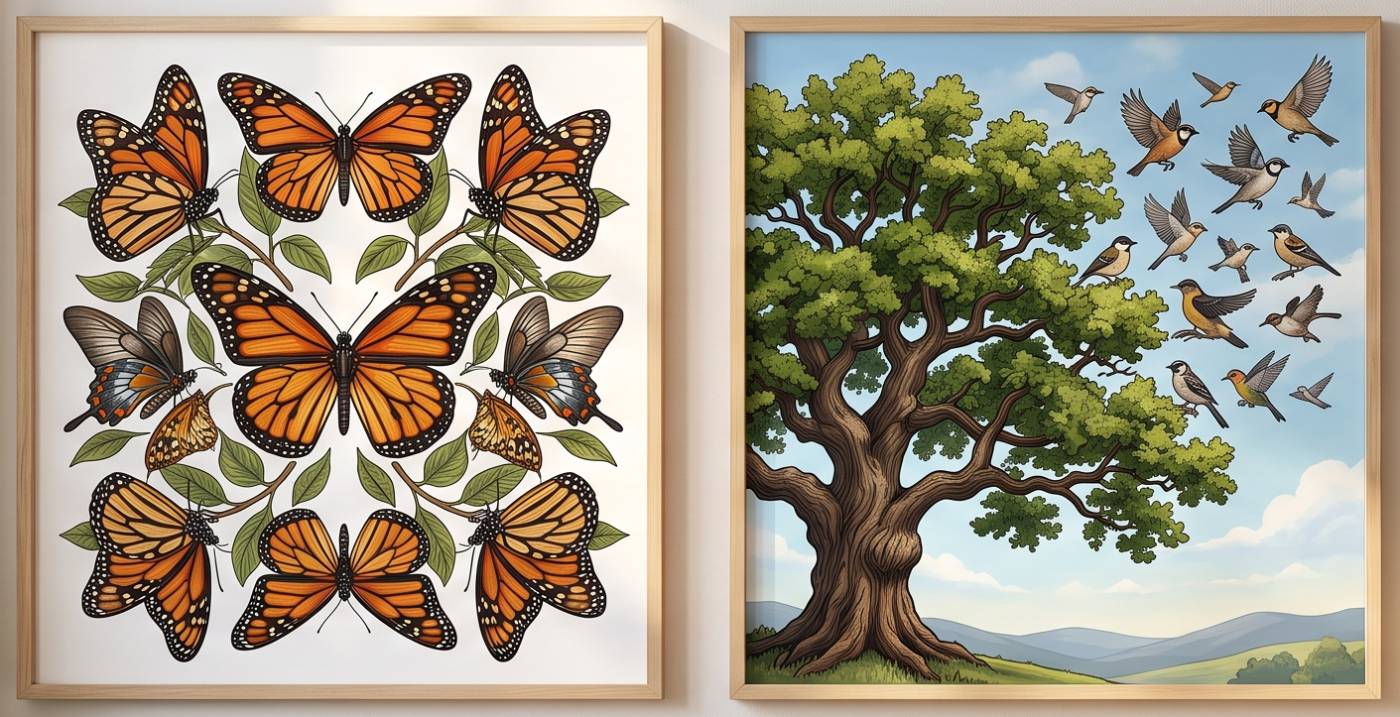
Balance means arranging objects so that no part of the artwork feels too heavy or too empty. A balanced artwork feels comfortable to look at and creates a sense of stability.
Types of Balance
Symmetrical Balance
Both sides of the artwork look the same or very similar.
Example:
A butterfly with matching wings is a perfect example of symmetrical balance.
Asymmetrical Balance
Both sides are different, but they still feel balanced.
Example:
A large tree on one side of a painting may be balanced by several smaller trees or people on the other side.
Radial Balance
Objects are arranged around a central point.
Example:
A sunflower, a bicycle wheel, or a mandala design.
Why balance is important?
Balance helps viewers feel comfortable while looking at an artwork. If everything is placed on one side, the composition may feel unstable.
Beginner tip
Before finishing your artwork, step back and ask yourself:
“Does one side feel much heavier than the other?”
If yes, try adding or moving objects until the composition feels balanced.
Contrast

Contrast means showing differences between objects to make them stand out. Artists use contrast to attract attention and create excitement.
Ways to create contrast:
- Light and dark
- Big and small
- Rough and smooth
- Warm and cool colors
- Thick and thin lines
Example
Imagine drawing a white moon in a dark night sky.
The bright moon immediately catches your attention because of the strong contrast.
Why contrast is important?
Without contrast, an artwork may look flat or boring.
Contrast makes important parts of the artwork easier to notice.
Beginner tip
Try adding a dark background behind a light-colored object. You'll immediately notice how much stronger the subject appears.
Emphasis
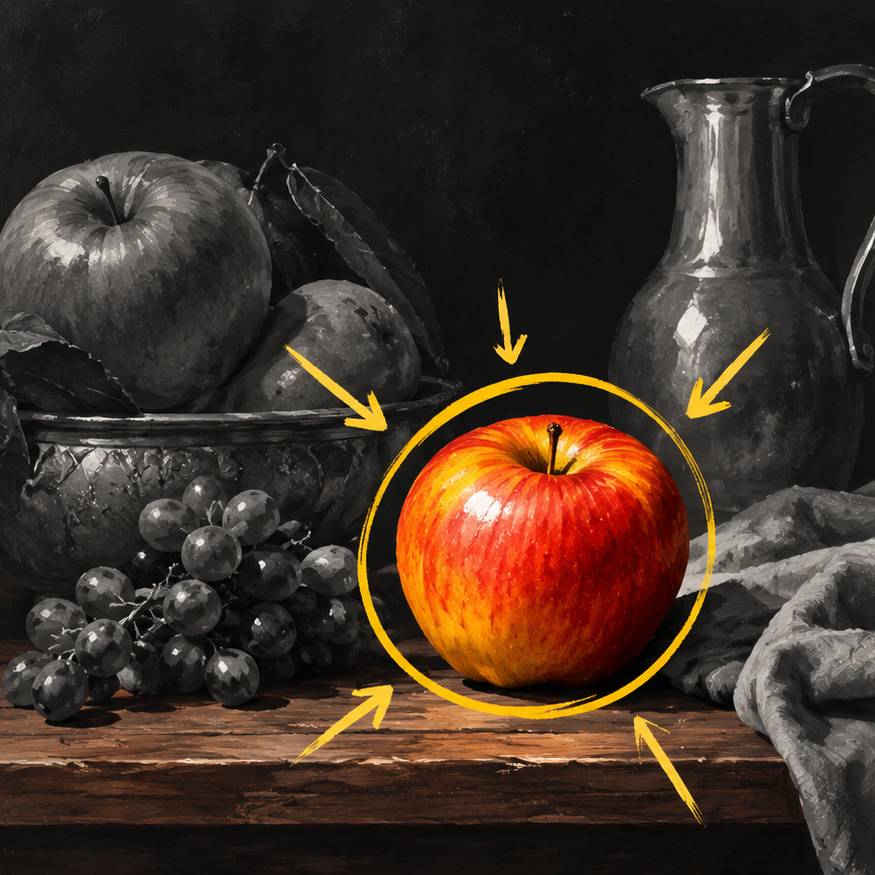
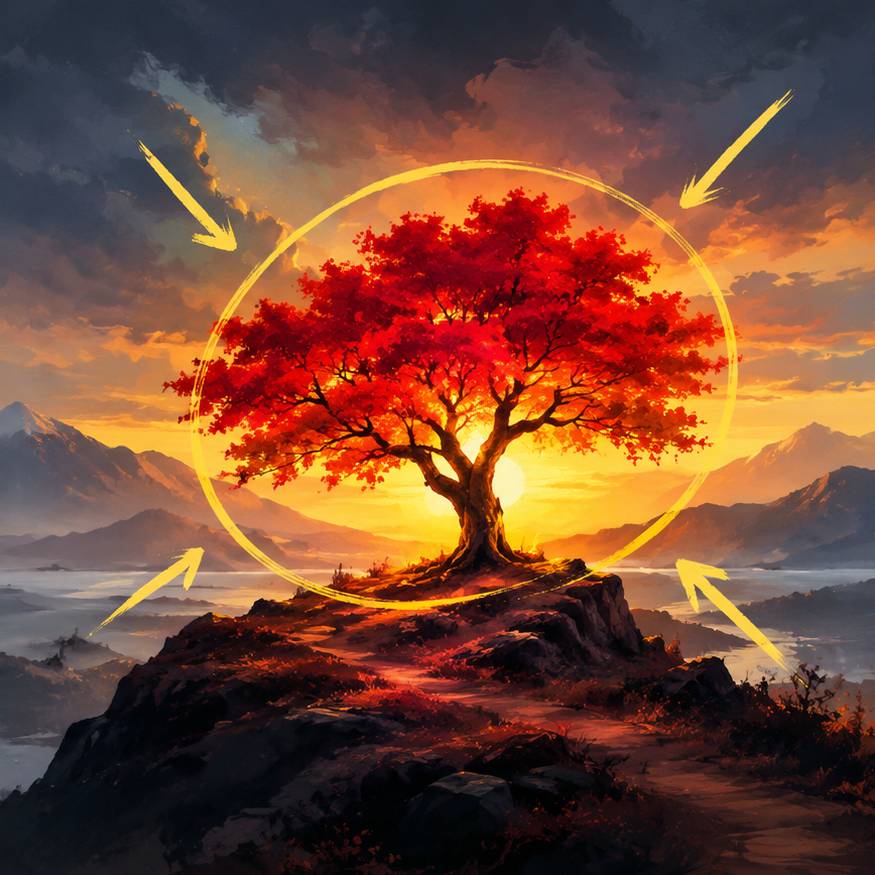
Emphasis means creating a focal point—the area that attracts the viewer's attention first. Every artwork should have something that stands out.
How artists create emphasis -
- Using brighter colors
- Making one object larger
- Placing the subject in the center
- Adding more detail
- Using strong contrast
Example
- Imagine a garden filled with white flowers.
- If one flower is bright red, your eyes naturally look at it first.
- That red flower becomes the focal point.
Why emphasis is important?
Without a focal point, viewers may not know where to look first.
Emphasis guides the viewer through the artwork.
Beginner tip
Choose one main subject before you begin drawing. Ask yourself:
“What do I want people to notice first?”
Then use color, size, or contrast to make that subject stand out.
Movement

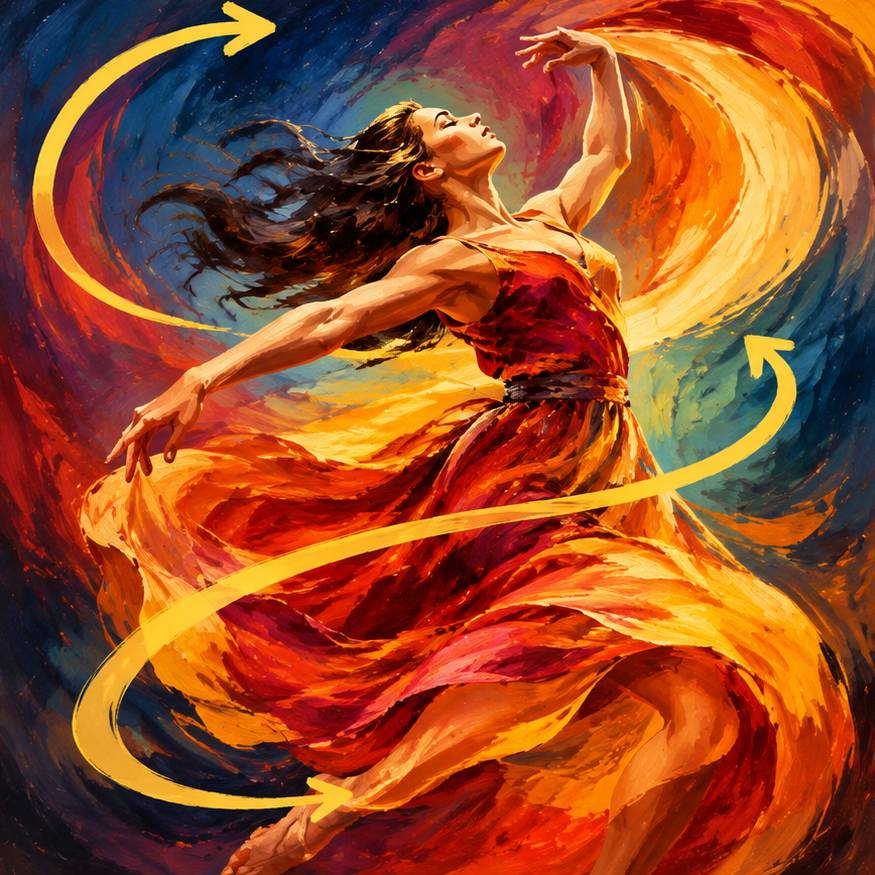
Movement is the way an artist guides the viewer's eyes through an artwork. Movement does not always mean that something is physically moving.
Instead, it creates a visual path that encourages the viewer to explore different parts of the artwork.
Artists create movement by using -
- Curved lines
- Repeated shapes
- Roads and rivers
- Flowing hair or fabric
- Flying birds
- Light and shadow
Example:
Imagine a winding river that begins in the front of a painting and leads toward distant mountains.
Your eyes naturally follow the river through the entire scene.
That is movement.
Why movement is important?
Movement keeps an artwork interesting. Instead of looking at just one area, viewers continue exploring the entire composition.
Beginner tip
Try drawing a road, river, or pathway that leads toward the background. It naturally guides the viewer's eyes through the scene.
Pattern
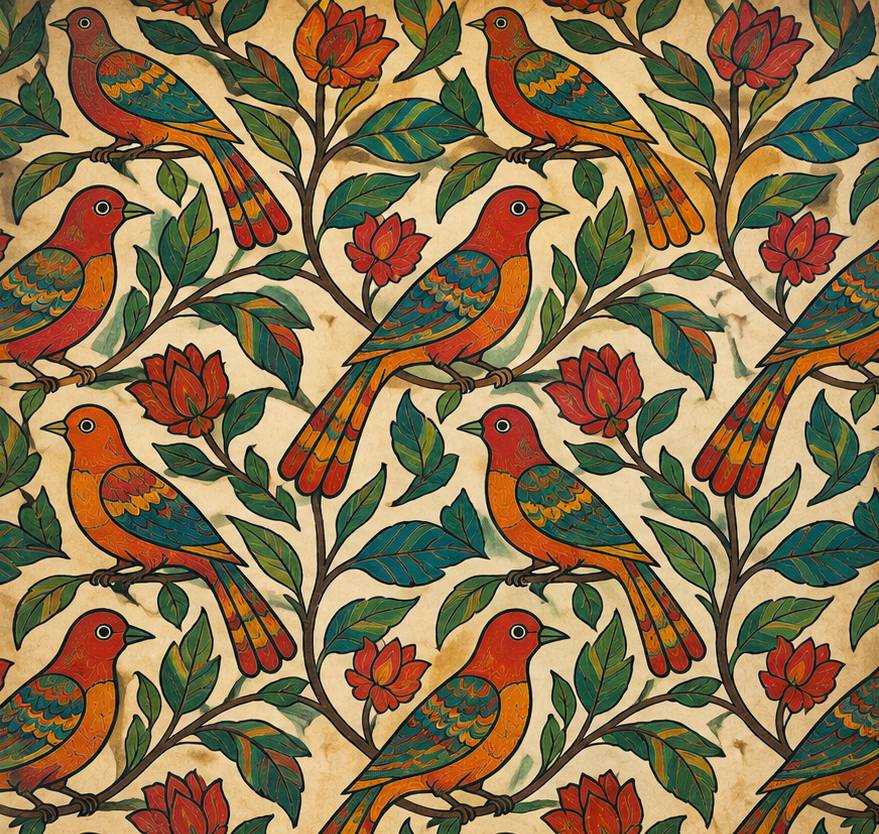
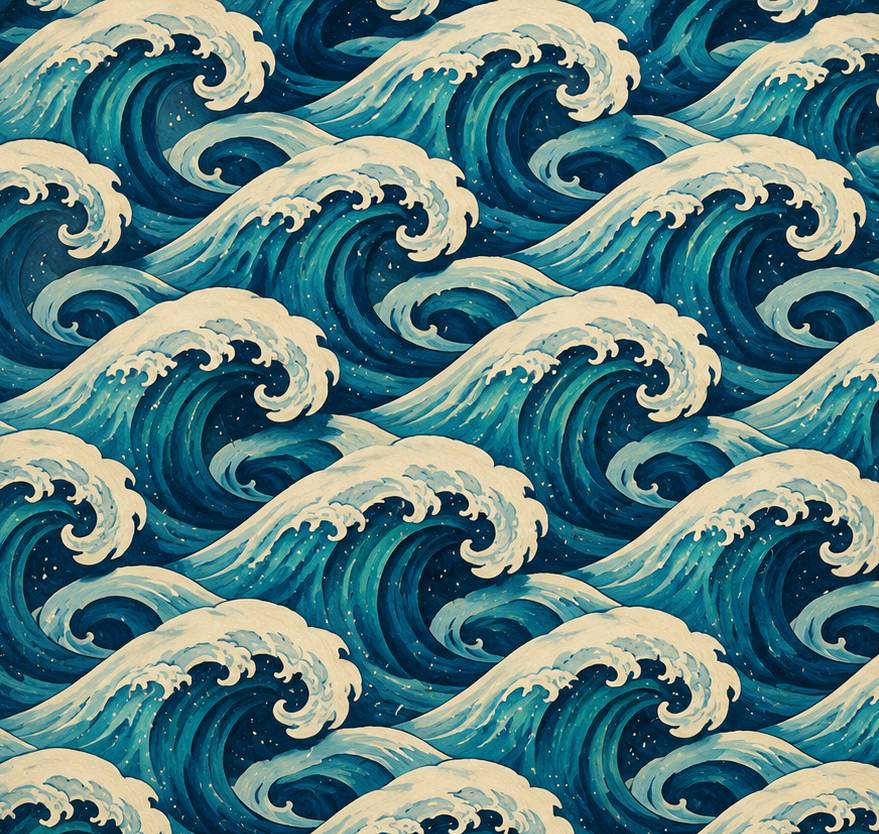
A pattern is created when an artist repeats the same shape, color, line, or object many times.
Patterns can be simple or detailed, and they help make an artwork more interesting.
You can find patterns almost everywhere in nature and everyday life.
Examples of patterns:
- Brick walls
- Floor tiles
- Flower petals
- Leaves on a branch
- Textile and fabric designs
Why pattern is important?
Patterns create order and make artwork look organized. They also help fill empty spaces without making the artwork feel crowded.
Beginner tip
Start by drawing one simple shape, such as a leaf or a circle. Repeat it several times to create your own pattern.
Rhythm
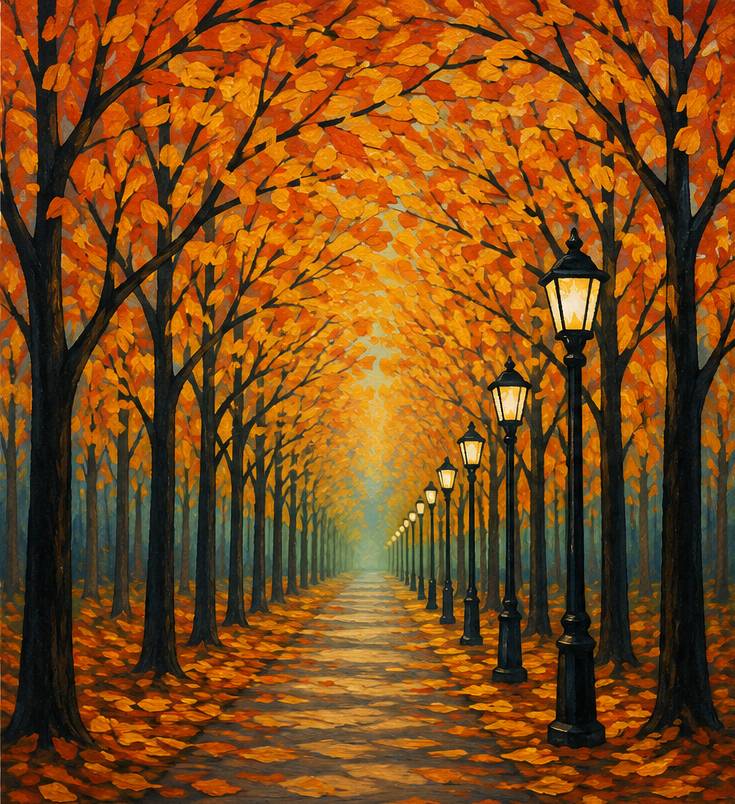
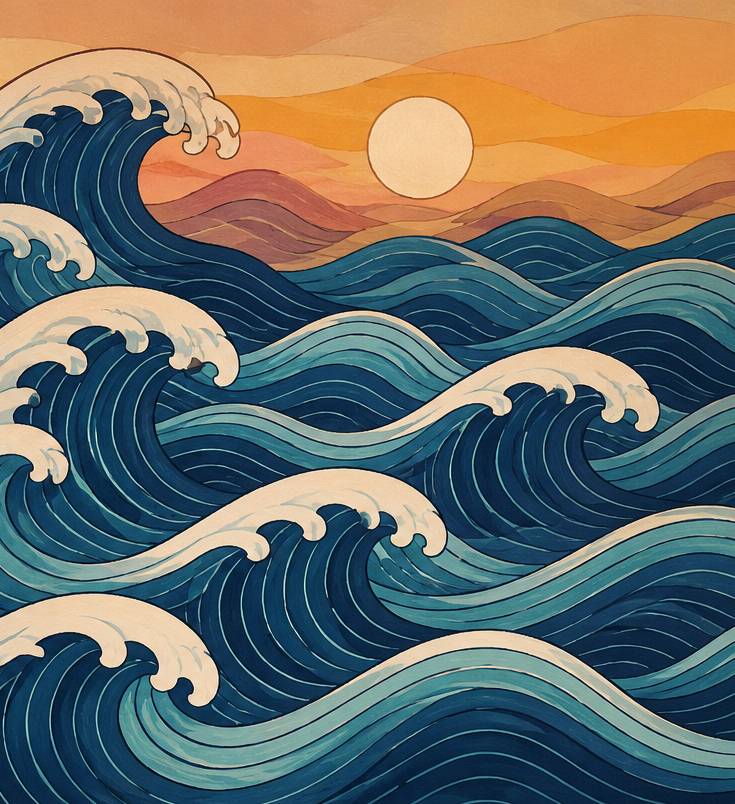
Rhythm is created when shapes, colors, or lines are repeated in a way that gives the artwork a sense of flow.
It is similar to rhythm in music. Just as music has repeating beats, artwork can have repeating visual elements.
Examples of rhythm:
- Ocean waves
- Rows of trees
- Repeating windows on a building
- Stepping stones in a garden
Why rhythm is important?
Rhythm helps move the viewer's eyes smoothly through the artwork. It creates a natural flow instead of making the composition feel random.
Beginner tip
Repeat similar shapes or colors throughout your drawing to create a gentle visual rhythm.
Unity
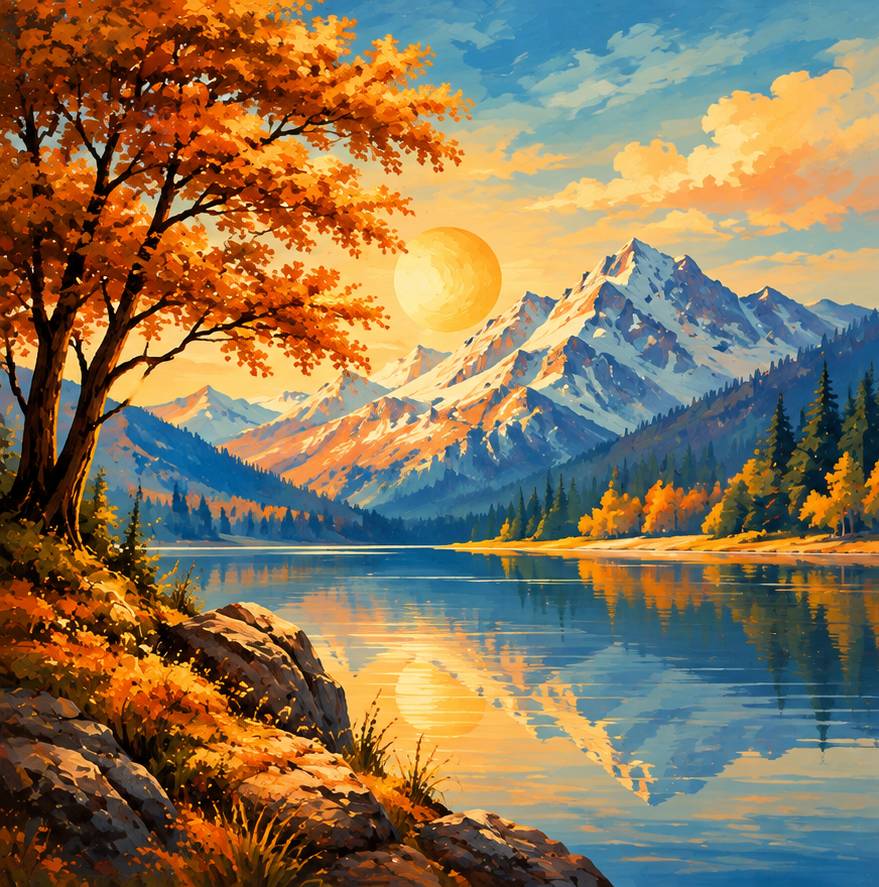
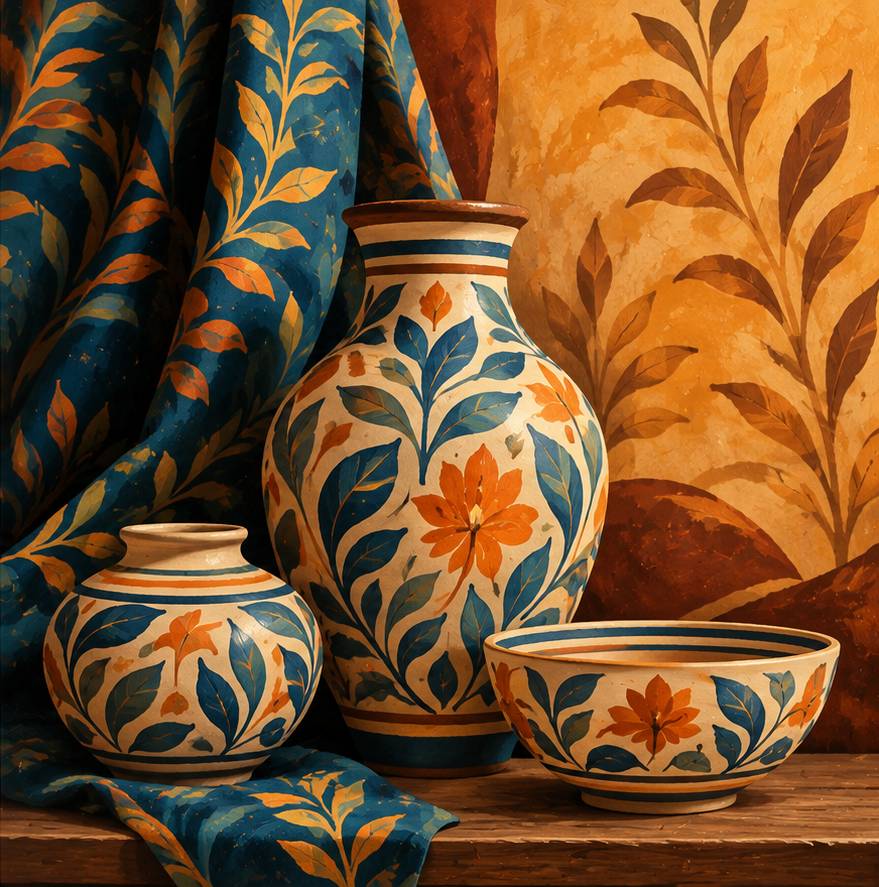
Unity means that all parts of an artwork work well together. When an artwork has unity, nothing feels out of place. Every object, color, and shape supports the overall design.
Artists create unity by using:
- Similar colors
- Repeated shapes
- Consistent style
- Balanced spacing
- Related textures
Example
Imagine a still-life painting with flowers, books, pottery, and fruit.
If all the objects use similar warm colors and are arranged carefully, the painting feels complete and connected.
Why unity is important?
Unity gives artwork a finished appearance. Without unity, a painting may look like unrelated objects placed together without any purpose.
Beginner tip
Choose a limited color palette before starting your artwork. Using too many unrelated colors can reduce unity.
How all seven principles work together
Each principle of design has its own purpose, but they become much stronger when used together.
Imagine you are painting a peaceful village scene.
- Balance keeps the trees and houses evenly arranged.
- Contrast makes the bright morning sun stand out.
- Emphasis draws attention to a small red cottage.
- Movement guides the viewer along a winding path.
- Pattern appears in the roof tiles and garden fence.
- Rhythm is created by repeating trees along the road.
- Unity brings everything together using similar colors and a consistent style.
This combination makes the artwork feel natural, attractive, and easy to enjoy.
Quick summary of the principles of design
| Principle | What it does | Simple example |
|---|---|---|
| Balance | Creates stability | Butterfly wings |
| Contrast | Makes objects stand out | White moon in a dark sky |
| Emphasis | Creates a focal point | One red flower among white flowers |
| Movement | Guides the viewer's eyes | Winding river |
| Pattern | Repeats visual elements | Floor tiles |
| Rhythm | Creates visual flow | Ocean waves |
| Unity | Connects everything together | Matching colors in a painting |
Common mistakes beginners make
Everyone makes mistakes while learning art. Here are some common ones to avoid.
Trying to make everything stand out
If every object is bright or detailed, nothing becomes the focal point.
Choose one main subject and let it receive the most attention.
Ignoring balance
Placing all the important objects on one side can make the artwork feel uncomfortable.
Take a step back and check whether your composition feels balanced.
Using too many colors
Too many unrelated colors can make an artwork look confusing.
A simple color palette often creates a cleaner and more professional result.
Forgetting repetition
Repeating shapes or colors helps create both pattern and rhythm.
Without repetition, the composition may feel disconnected.
Adding unnecessary details
Not every part of an artwork needs the same amount of detail.
Leave some areas simple so the viewer's eyes can rest.
Frequently asked questions
What are the seven principles of design?
The seven principles of design are balance, contrast, emphasis, movement, pattern, rhythm, and unity.
What is the difference between elements of art and principles of design?
The elements of art are the basic parts used to create artwork, such as line, shape, color, and texture.
The principles of design explain how to arrange those elements to create a successful composition.
Which principle is the most important?
All seven principles are important because they work together. However, beginners usually notice balance and emphasis first because they have the greatest effect on a composition.
Can beginners learn the principles of design?
Yes. The principles of design are easy to understand when you practice them one at a time. Even simple drawings become more attractive when you apply these ideas.
Conclusion
The principles of design help artists turn simple ideas into attractive and meaningful artwork. While the elements of art are the building blocks, the principles show you how to arrange those blocks in the best possible way.
As you practice drawing and painting, try focusing on one principle at a time. Notice how balance creates stability, contrast attracts attention, movement guides the viewer, and unity brings everything together.
Remember, great artwork doesn't happen by accident. It is created by understanding these simple principles and practicing them regularly. The more you use them, the more natural they will become.
Continue learning about art
If you're following this beginner series, these articles are the perfect next steps: